Beyond “0% short-selling APR”: the real cost of U.S. stock margin and short selling
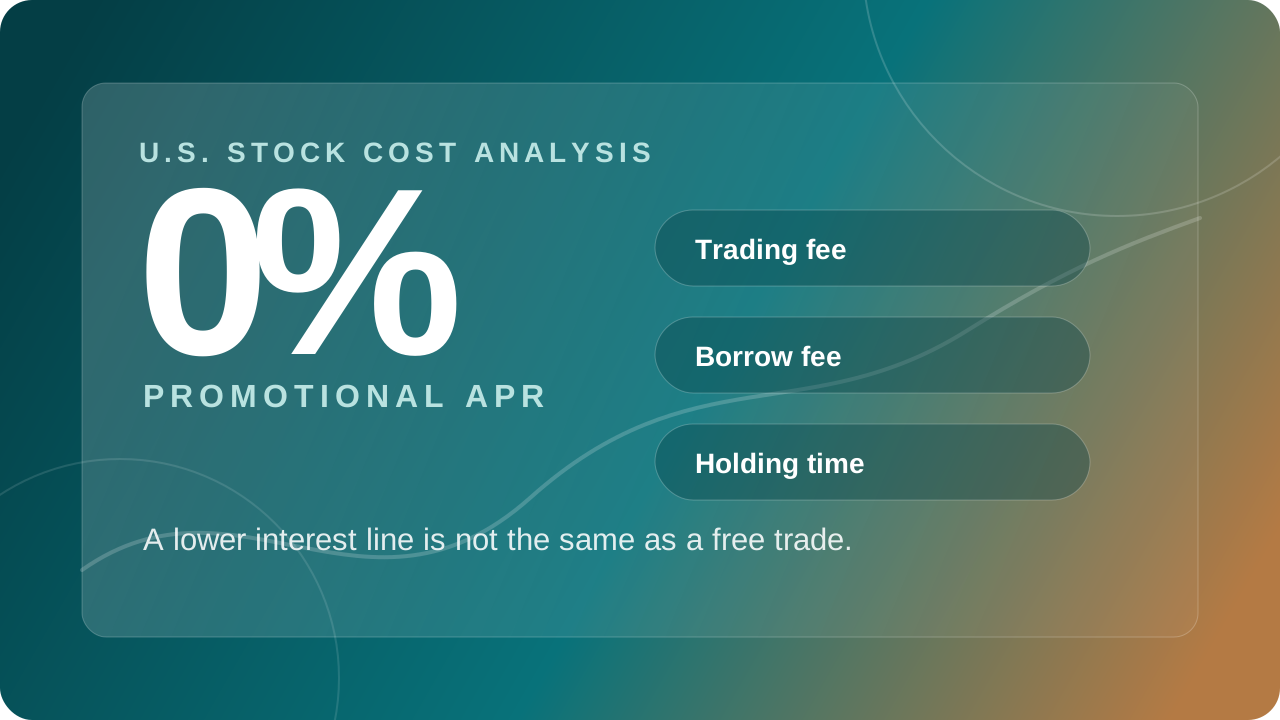
A low promotional rate can reduce one cost line, but trading fees, borrow fees and holding time still determine the cost of a U.S. stock margin or short position.
Facts First. Decisions Next.
Disclosure:BGBriefing is an independent research site. We are not affiliated with Bitget.
Structured answers on total cost, network selection, KYC limits, product choice and account security—with links to deeper guides where needed.
Headline trading fees are only one line item. A useful estimate also includes funding or borrowing charges, spread and liquidity impact, withdrawal and network fees, conversion costs, and any tier or promotion conditions that change over time.
Compare products separately: spot, perpetual futures, margin and copy trading do not share one universal fee schedule.
Open structured fee comparison →A low promotional annualized rate usually applies to one eligible interest line for a defined period. Execution fees, stock-borrow fees, FX costs and holding time can still change the economics of a margin or short-selling position.
Treat the headline as a signal to verify campaign rules—not as proof that the trade is free.
Read the full cost breakdown →