

Security
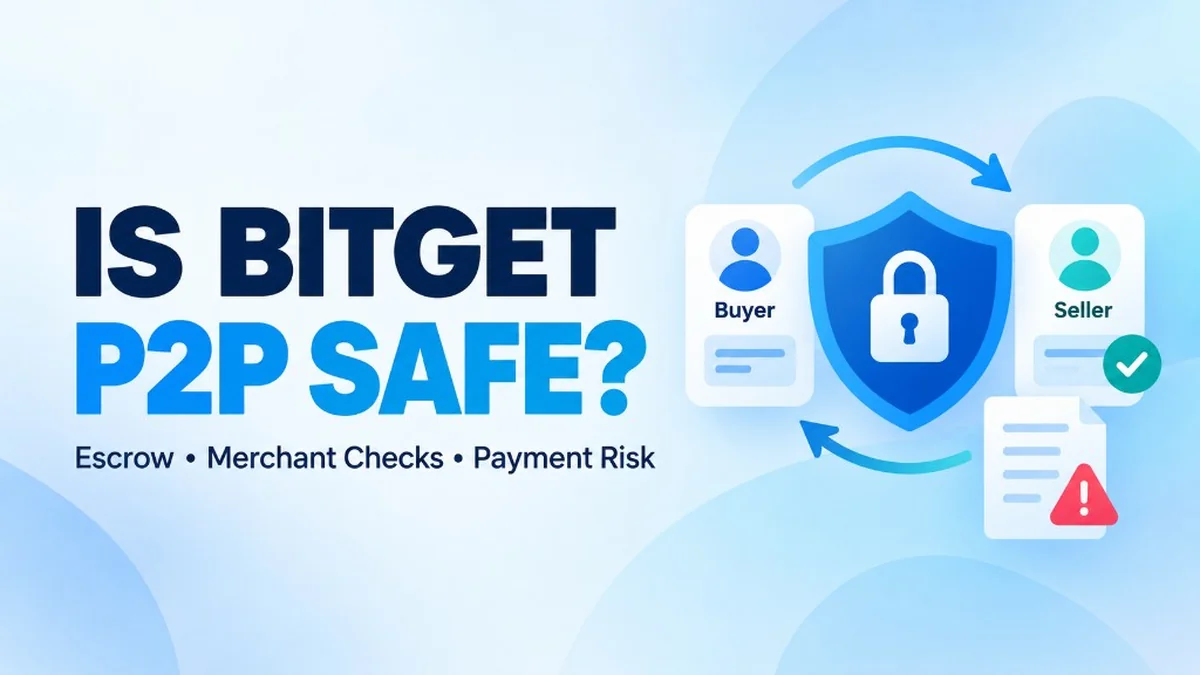
Is Bitget P2P Safe? Escrow, Merchant Checks and Payment Risk
Learn whether Bitget P2P is safe, how escrow works, what merchant checks matter, and how to reduce payment, scam and release-risk before using P2P trading.
Facts First. Decisions Next.
Disclosure:BGBriefing is an independent research site. We are not affiliated with Bitget.
Structured answers on total cost, network selection, KYC limits, product choice and account security—with links to deeper guides where needed.
Headline trading fees are only one line item. A useful estimate also includes funding or borrowing charges, spread and liquidity impact, withdrawal and network fees, conversion costs, and any tier or promotion conditions that change over time.
Compare products separately: spot, perpetual futures, margin and copy trading do not share one universal fee schedule.
Open structured fee comparison →A low promotional annualized rate usually applies to one eligible interest line for a defined period. Execution fees, stock-borrow fees, FX costs and holding time can still change the economics of a margin or short-selling position.
Treat the headline as a signal to verify campaign rules—not as proof that the trade is free.
Read the full cost breakdown →The sending platform, receiving platform and selected network must all match. A correct address is not enough if the network differs.
Before transferring, confirm the asset, network, minimum amount, confirmation count and whether a memo, tag or destination field is required.
Open deposit checklist guide →Some assets require an additional identifier beyond the wallet address. If the memo or tag is missing or wrong, the transfer may not credit automatically and recovery can take time.
When practical, send a small test amount first and keep the transaction hash until the deposit is confirmed.
Verification helps confirm who is using the account, which products and limits apply, and whether deposits, withdrawals or certain markets are available in a given region.
Requirements vary by entity, account type and product. A verified account does not automatically mean every product is available everywhere.
Check regional availability guide →Limits depend on verification level, VIP status, product type and regional rules. Daily and monthly caps can differ for crypto and fiat routes.
Check the live withdrawal page before moving funds, especially after a tier change or account update.
Spot trading exchanges one asset for another without built-in leverage. Perpetual futures are derivatives with margin, liquidation risk and recurring funding mechanics.
Choose based on the task: direct asset exposure, hedging, or short-term directional trading—not based on feature count alone.
Choose the right product guide →Funding is a periodic payment between long and short participants based on the position size and the prevailing funding rate. It can materially change holding cost even when the entry trading fee was low.
Include expected holding time and the current funding schedule in any pre-trade cost check.
How platform fees work →Copy trading delegates execution to another trader under platform-specific allocation and risk controls. It can fit users who understand delegation risk, not users looking for guaranteed returns.
Verify performance methodology, loss controls, fee sharing, maximum drawdown settings and exit conditions before allocating capital.
Product selection guide →Start with the objective: trade, hedge, earn on idle assets, or borrow for leverage. Each path carries different liquidity, eligibility, downside mechanics and exit rules.
Do not assume that account access implies every earn or margin product is available in your market.
Use a unique password, protect the recovery email, enable phishing-resistant authentication where available, review active devices, configure anti-phishing codes, and restrict withdrawals with allowlists or delays when supported.
Security controls reduce account takeover risk but do not remove market or product risk.
Account security checklist →Confirm the asset, network, destination address, memo or tag, amount, fee and expected arrival time. Compare the address character by character and verify that the receiving platform supports the same network.
If anything changes after you opened the withdrawal screen, restart the check rather than rushing the confirmation.
Learn whether Bitget P2P is safe, how escrow works, what merchant checks matter, and how to reduce payment, scam and release-risk before using P2P trading.
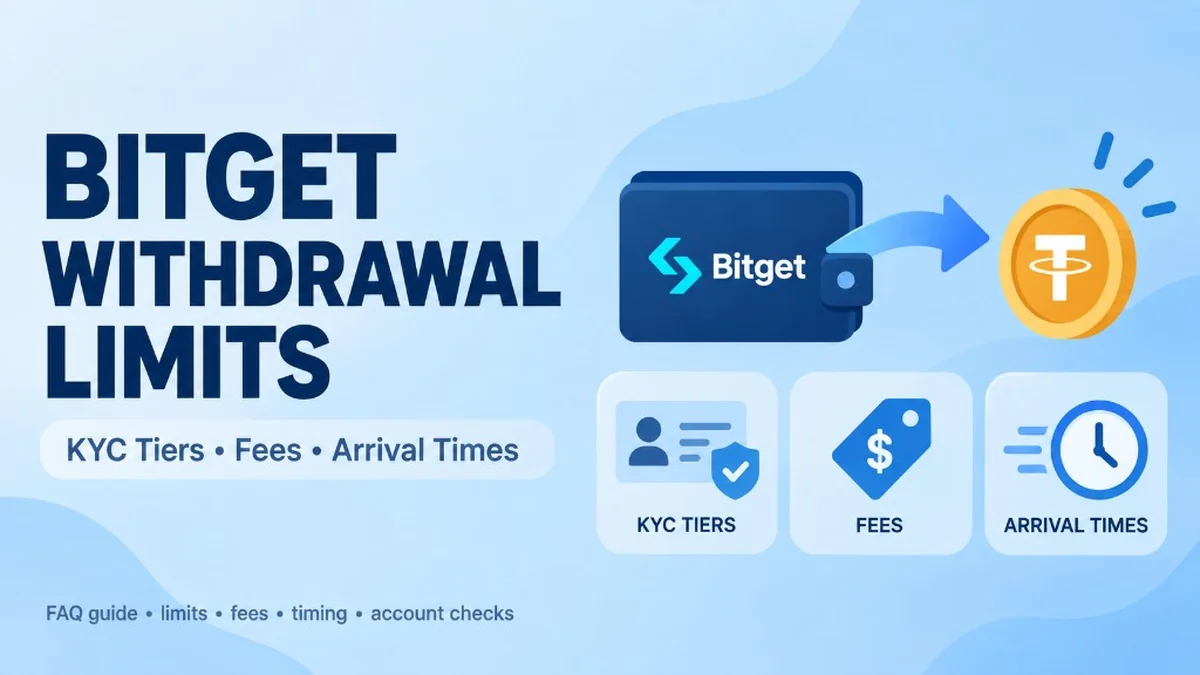
Learn how Bitget withdrawal limits work, why KYC tier, asset type, network, fees, security status and regional rules can affect withdrawal access and arrival time.

Learn what crypto perpetual futures are, how funding rates work, initial & maintenance margin rules, liquidation risks, and multi-asset trading features.
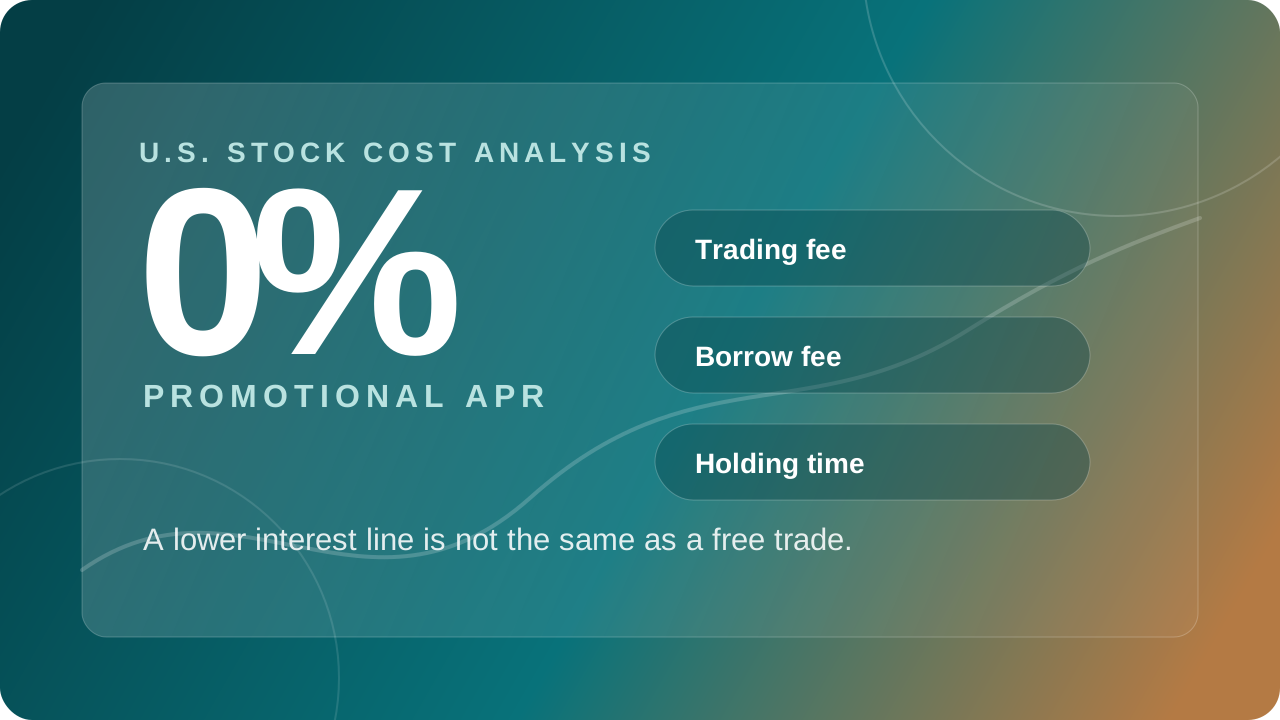
A low promotional rate can reduce one cost line, but trading fees, borrow fees and holding time still determine the cost of a U.S. stock margin or short position.