
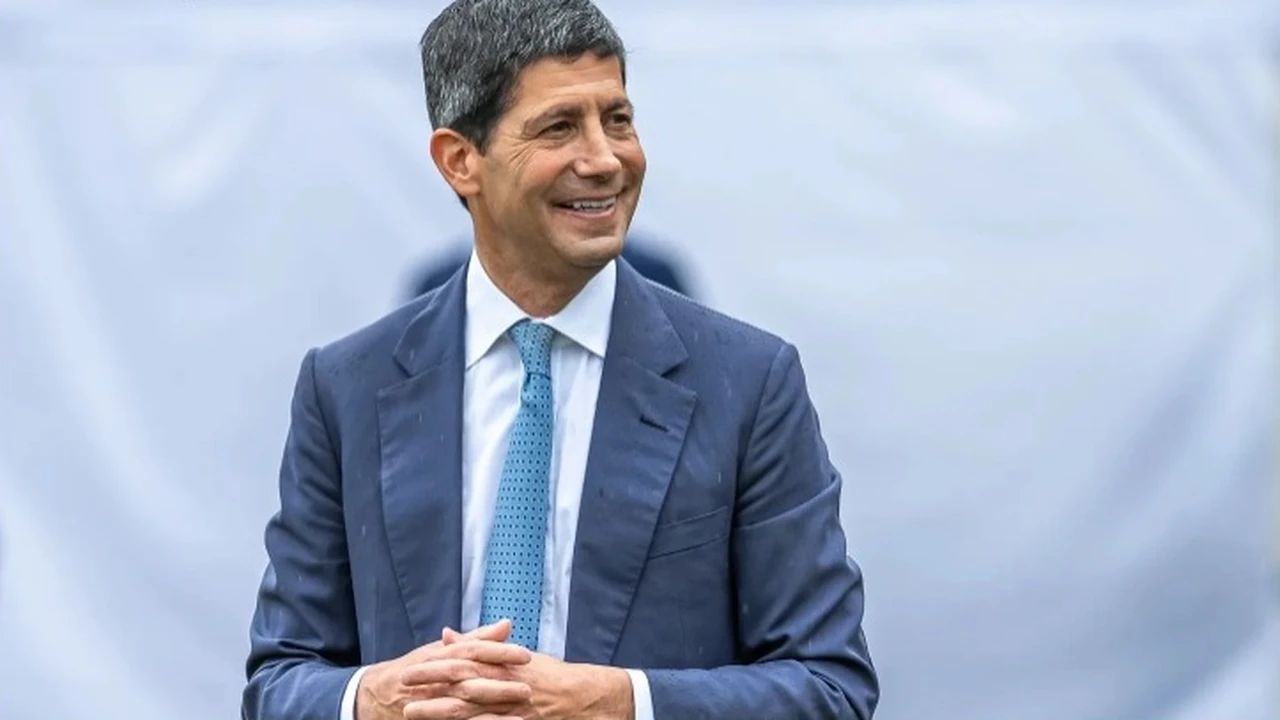
New Fed Chair Warsh's Hawkish Debut Reshapes September Rate-Hike Odds | US Stock Watch · Daily Brief
Analyze Fed Chair Warsh's hawkish Jackson Hole debut pushing September rate-hike odds to 56% and its impact on SPY.M and NVDA.M tokenized equity derivatives.
Analyze Fed Chair Warsh's hawkish Jackson Hole debut pushing September rate-hike odds to 56% and its impact on SPY.M and NVDA.M tokenized equity derivatives.
Jackson Hole Debut: Warsh Signals Hawkish Stance on Inflation and Monetary Policy
As New Fed Chair Warsh's Hawkish Debut Reshapes September Rate-Hike Odds across global financial markets, multi-asset traders and macro investors are recalibrating their portfolio risk models for a tighter monetary policy regime. Delivering his inaugural address at the Jackson Hole economic symposium in early September 2026, Federal Reserve Chair Kevin Warsh established an explicitly hawkish stance that quickly neutralized widespread market speculation regarding near-term monetary easing. Warsh articulated an unwavering commitment to restoring price stability and maintaining the central bank's 2% inflation target, signaling that monetary policy will remain restrictive until structural price pressures are fully contained.
During his address, Warsh emphasized that incoming macroeconomic figures do not present meaningful evidence of overall inflation trend improvements. Rather than pointing toward a sustained cooling trajectory that would justify interest rate relief, economic indicators continue to demonstrate persistent price pressures across core sectors. An analysis from MSX Research, published on Odaily Planet Daily on September 2, 2026, highlighted that Warsh's debut represents a structural shift away from market-soothing central bank communications. Beyond reiterating policy directives, Warsh directly criticized the Federal Reserve's historical reliance on continuous "spoon-feeding" market communication strategies. He argued that predictable forward guidance creates market distortion and moral hazard, asserting that aggressive monetary tools like quantitative easing (QE) must be strictly reserved for true, systemic financial crises rather than routine market interventions.
September 16 Rate-Hike Odds Surge to 56% Amid Political Reactions
The immediate reaction across interest rate derivatives and prediction markets was swift and pronounced. Prior to Warsh's Jackson Hole address, market participants had priced in a modest probability—just over 30%—for a rate increase at the upcoming Federal Open Market Committee (FOMC) gathering on September 16. However, following the unambiguous hawkish guidance delivered during his debut, prediction markets rapidly repriced the expected interest rate trajectory. The implied probability of a 25 basis point (bp) rate hike on September 16 surged to approximately 56%.
This rapid shift in expectations has fundamentally altered the macro narrative, moving market consensus away from monetary accommodation toward a prolonged regime of tight financial conditions. The policy direction also elicited notable political commentary. Donald Trump offered rare public remarks regarding the central bank leadership, stating that he has "great respect" for Warsh and asserting that "he will do what he has to do." This political acknowledgment underscores the broader understanding that the central bank under Warsh intends to prioritize inflation control even if higher borrowing costs induce short-term economic friction. For derivative traders, the rise in September 16 rate-hike odds signals an end to easy liquidity expectations, requiring active re-hedging across traditional equities, fixed income, and tokenized stock markets.
Cross-Asset Re-pricing and Impact on Tokenized Stock Exposure (SPY.M, NVDA.M)
The shift toward higher rate-hike probabilities exerts direct valuation pressure across broad stock indexes and high-growth equity sectors. In discount rate models, elevated risk-free interest rates compress price-to-earnings multiples by reducing the net present value of long-duration cash flows. For digital asset traders holding tokenized stocks, these macroeconomic dynamics translate immediately into market volatility across synthetic asset pairs.
Instruments tracking broad benchmark indexes, such as SPY.M (tokenized S&P 500 exposure), and market leadership growth vehicles, such as NVDA.M (tokenized Nvidia exposure), face heightened discount rate pressures during central bank repricing cycles. Traders active in TradFi stock perpetual contracts must carefully monitor cross-market liquidity conditions and leverage requirements as central bank announcements unfold. Unlike legacy stock markets operating within rigid exchange schedules, synthetic derivative formats operate continuously. This structure enables traders to hedge equity risk around central bank speeches well outside traditional stock market hours. For investors exploring alternative multi-asset derivative trading environments, platforms such as MSX offer exposure to tokenized financial instruments alongside standard crypto collateral pairs.
Key Trading Checkpoints and Invalidation Signals Ahead of September FOMC
Heading into the September 16 FOMC rate decision, market participants should monitor several macroeconomic validation checkpoints to determine whether the current 56% rate-hike pricing remains sustained. Upcoming economic releases—including Consumer Price Index (CPI) updates, core inflation readings, labor force participation data, and non-farm payroll reports—will serve as direct tests of Warsh's hawkish monetary stance.
An invalidation scenario for the current rate-hike trajectory would require a significant, unexpected softening in economic data prior to the FOMC meeting. Should incoming macro figures show a sharp contraction in economic activity or rapid disinflation, rate-hike expectations could quickly recede, easing pressure on risk assets and triggering a temporary relief rally. Conversely, inline or higher-than-expected inflation metrics will likely solidify the 56% rate-hike probability into a base-case outcome. Risk management remains paramount when trading stock perpetual contracts on Bitget, where traders should set clear stop-loss boundaries, manage margin buffers, and adjust leverage ratios prior to major central bank announcements.
Frequently asked questions
What signal did Warsh send in his Jackson Hole debut?
A clear hawkish signal. He reaffirmed the 2% inflation target as unwavering and said incoming data do not provide meaningful evidence that the inflation trend has improved. Policy will stay restrictive until price pressures are fully contained. He also criticized Fed spoon-feeding communication and argued that unconventional tools such as QE should be reserved for true systemic crises.
What happened to September 16 Fed rate-hike odds?
Odds jumped from just over 30% to about 56%. Before Warsh's Jackson Hole speech, markets priced only a modest chance of a 25 bp hike on September 16; after the hawkish guidance, prediction markets rapidly repriced, lifting the implied 25 bp hike probability to roughly 56% and shifting consensus from easing toward tighter financial conditions.
How does Warsh's stance affect tokenized stocks such as SPY.M and NVDA.M?
It adds valuation pressure and volatility. Higher rate-hike odds raise discount rates and compress long-duration cash-flow valuations, weighing on tokenized exposures such as SPY.M and NVDA.M. Unlike cash equities on fixed exchange hours, these synthetic products can trade continuously, so traders can hedge equity risk around central-bank speeches outside traditional U.S. market sessions.
How did Trump comment on Warsh?
Trump rarely commented publicly on the Fed leadership but said he has great respect for Warsh and that he will do what he has to do. That acknowledgment reinforces expectations that Warsh will prioritize inflation control even if higher borrowing costs create short-term friction.
Which data before the September FOMC could change the current hike pricing?
CPI, core inflation, labor-force participation, and nonfarm payrolls are the key checkpoints. Unexpected sharp softening or rapid disinflation could push hike odds lower and spark a risk-asset relief rally; inflation at or above expectations would keep the ~56% hike probability closer to the base case, requiring tighter stop-loss and margin management.

Report the page and describe what should be reviewed.