
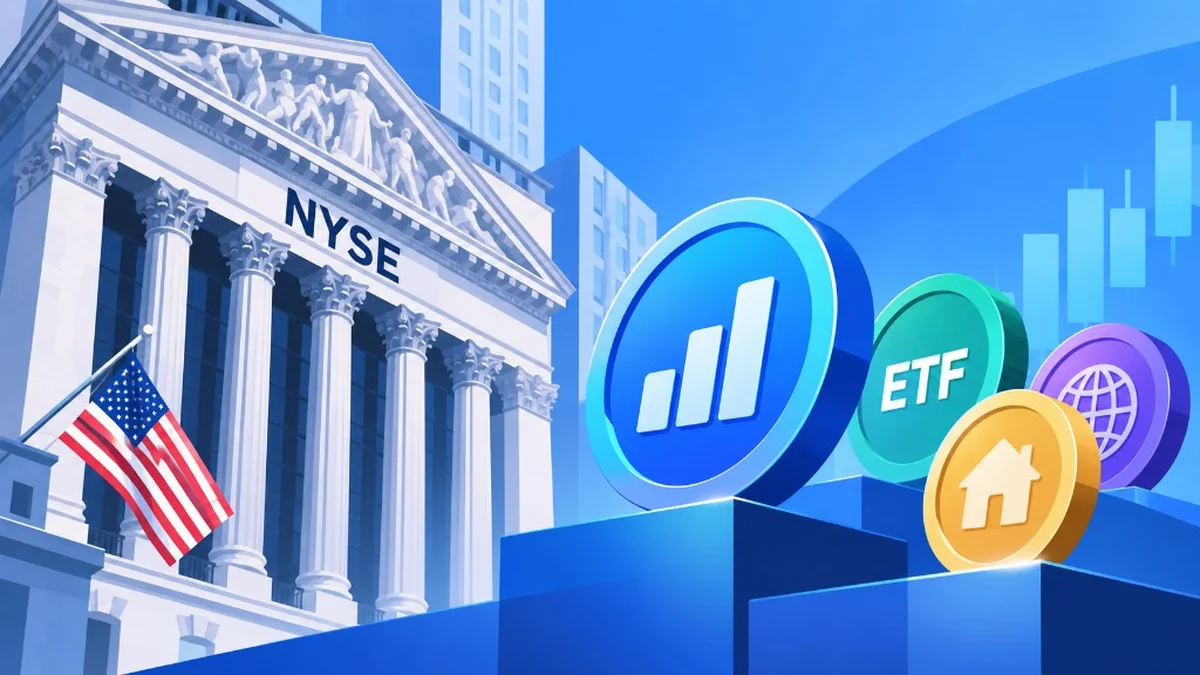
NYSE and Blockchain.com Plan Tokenized Equities Access: What It Means for RWA Traders
NYSE and Blockchain.com have signed an agreement to explore tokenized U.S. stocks and ETFs access. Here is what the move means for RWA traders.
NYSE and Blockchain.com have signed an agreement to explore tokenized U.S. stocks and ETFs access. Here is what the move means for RWA traders.
Quick Answer
NYSE and Blockchain.com have signed an agreement to explore access to tokenized U.S. exchange-listed stocks and ETFs for Blockchain.com users, subject to the launch of NYSE’s planned digital trading platform and required regulatory approvals.
The news matters because tokenized equities are moving closer to traditional exchange infrastructure. For RWA traders, the key issue is not only access. It is how tokenized securities will handle custody, pricing, trading hours, corporate actions, liquidity and investor eligibility.
Key Takeaways
- NYSE and Blockchain.com are exploring tokenized access to U.S.-listed stocks and ETFs.
- The service is not live yet and depends on platform launch and regulatory approvals.
- The planned model links traditional exchange infrastructure with crypto-native distribution.
- Tokenized equities still require checks around rights, custody, liquidity and redemption.
- The move adds momentum to the broader tokenized securities market.
Key Table
| Item | Detail | Trader Takeaway |
|---|---|---|
| Companies | NYSE and Blockchain.com | Traditional exchange meets crypto-native access |
| Asset scope | U.S.-listed stocks and ETFs | Tokenized equities and tokenized securities focus |
| Status | Agreement / exploration stage | Not yet a live trading product |
| Dependency | NYSE digital platform and approvals | Regulatory and infrastructure risk remain |
| Market impact | Broader RWA distribution | More competition among tokenization platforms |
Why This News Matters
Tokenized equities have been moving from crypto-native experiments toward more formal market infrastructure. A collaboration involving NYSE and Blockchain.com raises the visibility of that shift.
For traders, the important point is not that every U.S. stock will immediately trade onchain. The important point is that traditional exchange groups, crypto platforms and tokenization providers are now testing how public-market securities could be distributed through digital rails.
That creates a new question for RWA traders: when tokenized securities become more available, how should they be evaluated?
Tokenized Equities Need More Than Access
Access is useful, but it is only one layer.
A tokenized equity product still needs clear answers around:
- issuer structure;
- custody;
- pricing;
- dividend handling;
- voting rights;
- corporate actions;
- redemption;
- trading hours;
- regional eligibility.
BGBriefing’s tokenized securities guide explains how these issues apply across stocks, ETFs, funds and other securities products.
Why NYSE Infrastructure Changes the Conversation
NYSE is not just another crypto venue. Its involvement points toward a more institutional version of tokenized equities, where market data, listing standards, trading infrastructure and compliance controls may play a larger role.
That does not remove risk. It changes the risk map.
A digital ATS or tokenization platform can still create questions around settlement, custody, market hours and investor access. But if traditional exchange infrastructure becomes part of the product stack, traders may start comparing tokenized securities by market quality as much as by asset count.
Blockchain.com’s Role
Blockchain.com brings a crypto-native user base and distribution layer. If the planned product becomes available, it could give users access to tokenized versions of U.S. exchange-listed stocks and ETFs from inside a crypto platform environment.
That is different from holding ordinary brokerage shares. Traders should treat it as a tokenized product first, then evaluate the product terms.
The same distinction applies across RWA markets: a familiar stock name does not automatically define the legal claim. The structure does.
How This Fits the RWA Market
This news sits alongside a wider trend: crypto platforms, wallets and exchanges are racing to add tokenized stocks, ETFs and other real-world assets.
BGBriefing’s RWA platform checklist is useful for comparing venues, while the RWA tokenization companies guide helps separate issuer, custodian, exchange, broker and data-provider roles.
For traders, the practical takeaway is clear: tokenized equities are becoming more visible, but the due diligence burden is not going away.
What Traders Should Watch Next
Before treating this as a live market shift, watch for:
- launch timing for NYSE’s digital trading platform;
- regulatory approval details;
- eligible countries and user types;
- asset list and trading hours;
- custody and settlement structure;
- dividend and corporate-action handling;
- liquidity and spread quality;
- whether users can redeem or only trade.
Traders comparing tokenized securities venues can also include MSX RWA markets in the same review process, especially when checking product type, market access and liquidity.
Risk Disclaimer
This article is for informational and educational purposes only. It is not financial, legal, tax or investment advice. Tokenized equities, tokenized securities, RWA products, crypto assets and derivatives can lose value. Product availability, rights, custody, liquidity and regulatory treatment may change over time.
Frequently asked questions
What did NYSE and Blockchain.com announce?
They signed an agreement to explore access to tokenized U.S. exchange-listed stocks and ETFs for Blockchain.com users, subject to platform launch and regulatory approvals.
Is the tokenized stock service live?
No. The reported plan depends on NYSE’s planned digital trading platform and required regulatory approvals.
What are tokenized equities?
Tokenized equities are digital products that represent or reference equity exposure, such as public stocks, ETFs or other equity-linked securities.
Does NYSE involvement make tokenized equities risk-free?
No. It may change the infrastructure and credibility profile, but traders still need to check custody, rights, liquidity, pricing and eligibility.
Why does this matter for RWA traders?
It shows that tokenized securities are moving closer to mainstream market infrastructure, which could expand access while also raising new questions around regulation, settlement and investor protection.

Report the page and describe what should be reviewed.